
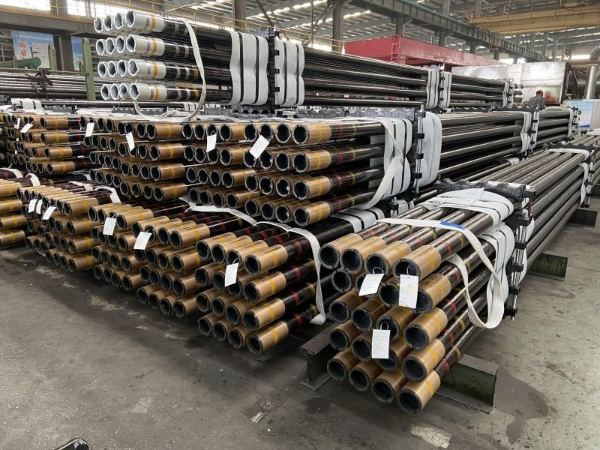
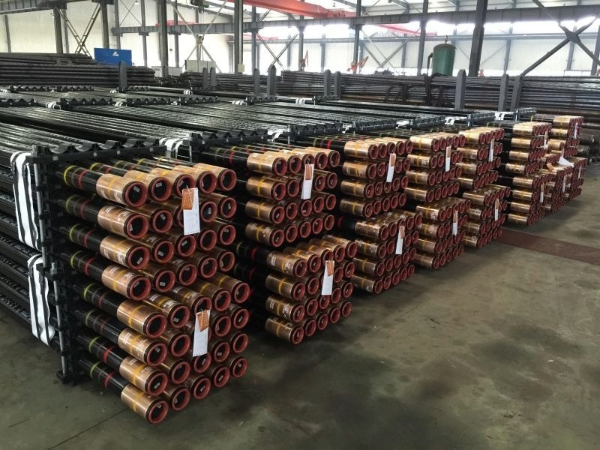
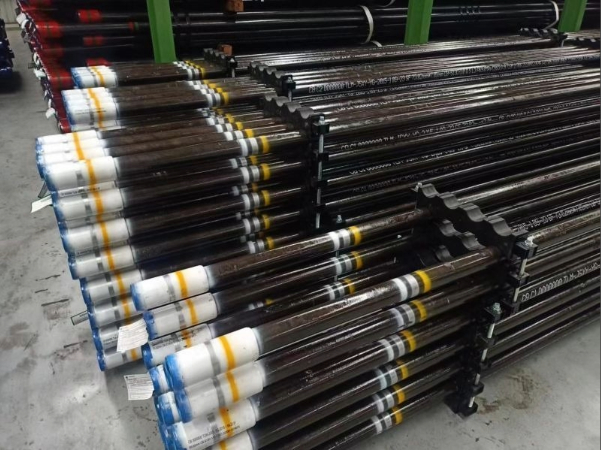
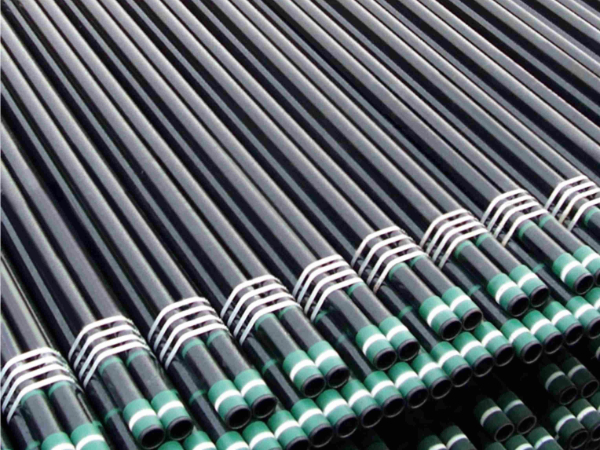
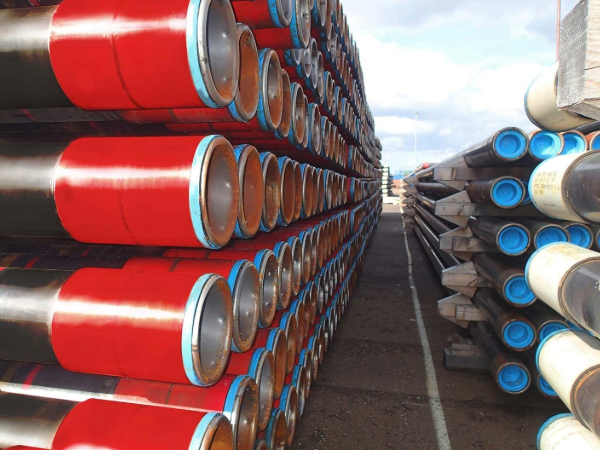
| Product: | Tubing Pipe, Oil Tubing, API Tubing Well Tubing, Tubing |
| Application: | Used for extracing Oil or Gas from Wells |
| Size: | OD: 48.26mm-114.3mm |
| WT: 3.18-16mm | |
| LENGTH: R1, R2, R3 | |
| Pipe Standard: | API 5CT PSL1/PSL2 J55,K55,N80-1,N80-Q, |
| API 5CT PSL1/PSL2 L80-1, L80-9Cr,L80-13Cr,C90, C95, P110, Q125 | |
| Thread: | NUE, EUE,, STC, LTC, BTC, XC,HYDRILL CS |
| Special Service | Sweet Service, Sour Service, Anti-H2S, NACE MR0175/ISO15156 |
| Accessories: | Pup Joint, Coupling, Drill Collar, Crossover etc. |
Tubing Pipe Introduction
|
Product: |
Tubing Pipe, Oil Tubing, API Tubing Well Tubing, Tubing |
|
Application: |
Used for extracing Oil or Gas from Wells |
|
Size: |
OD: 48.26mm-114.3mm |
|
WT: 3.18-16mm |
|
|
LENGTH: R1, R2, R3 |
|
|
Pipe Standard: |
API 5CT PSL1/PSL2 J55,K55,N80-1,N80-Q, |
|
API 5CT PSL1/PSL2 L80-1, L80-9Cr,L80-13Cr,C90, C95, P110, Q125 |
|
|
Thread: |
NUE, EUE,, STC, LTC, BTC, XC,HYDRILL CS |
|
Special Service |
Sweet Service, Sour Service, Anti-H2S, NACE MR0175/ISO15156 |
|
Accessories: |
Pup Joint, Coupling, Drill Collar, Crossover etc. |
API Tubing Specs
|
Label |
OD (mm) |
WT (mm) |
Type of End-finish |
|||||||||
|
|
NU T&C |
EU T&C |
IJ |
H40 |
J55 |
L80 |
N80 |
C90 |
T95 |
P110 |
||
|
1.9 |
2.75 |
2.9 |
2.76 |
48.26 |
3.68 |
PNUI |
PNUI |
PNUI |
PNUI |
PNUI |
PNUI |
- |
|
1.9 |
3.65 |
3.73 |
- |
48.26 |
5.08 |
PU |
PU |
PU |
PU |
PU |
PU |
PU |
|
1.9 |
4.42 |
- |
- |
48.26 |
6.35 |
- |
- |
P |
- |
P |
P |
- |
|
2 3/8 |
4 |
- |
- |
60.32 |
4.24 |
PU |
PN |
PN |
PN |
PN |
PN |
- |
|
2 3/8 |
4.6 |
4.7 |
- |
60.32 |
4.83 |
PNU |
PNU |
PNU |
PNU |
PNU |
PNU |
PNU |
|
2 3/8 |
5.8 |
5.95 |
- |
60.32 |
6.45 |
- |
- |
PNU |
PNU |
PNU |
PNU |
PNU |
|
2 3/8 |
6.6 |
- |
- |
60.32 |
7.49 |
- |
- |
P |
- |
P |
P |
- |
|
2 3/8 |
7.35 |
7.45 |
- |
60.32 |
8.53 |
- |
- |
PU |
- |
PU |
PU |
- |
|
2 7/8 |
6.4 |
6.5 |
- |
73.02 |
5.51 |
PNU |
PNU |
PNU |
PNU |
PNU |
PNU |
PNU |
|
2 7/8 |
7.8 |
7.9 |
- |
73.02 |
7.01 |
- |
- |
PNU |
PNU |
PNU |
PNU |
PNU |
|
2 7/8 |
8.6 |
8.7 |
- |
73.02 |
7.82 |
- |
- |
PNU |
PNU |
PNU |
PNU |
PNU |
|
2 7/8 |
9.35 |
9.45 |
- |
73.02 |
8.64 |
- |
- |
PU |
- |
PU |
PU |
- |
|
2 7/8 |
10.5 |
- |
- |
73.02 |
9.96 |
- |
- |
P |
- |
P |
P |
- |
|
3 1/2 |
7.7 |
- |
- |
88.9 |
5.49 |
PN |
PN |
PN |
PN |
PN |
PN |
- |
|
3 1/2 |
9.2 |
9.3 |
- |
88.9 |
6.45 |
PNU |
PNU |
PNU |
PNU |
PNU |
PNU |
PNU |
|
3 1/2 |
10.2 |
- |
- |
88.9 |
7.34 |
PN |
PN |
PN |
PN |
PN |
PN |
- |
|
3 1/2 |
12.7 |
12.95 |
- |
88.9 |
9.52 |
- |
- |
PNU |
PNU |
PNU |
PNU |
PNU |
|
3 1/2 |
14.3 |
- |
- |
88.9 |
10.92 |
- |
- |
P |
- |
P |
P |
- |
|
3 1/2 |
15.5 |
- |
- |
88.9 |
12.09 |
- |
- |
P |
- |
P |
P |
- |
|
4 |
9.5 |
- |
- |
101.6 |
5.74 |
PN |
PN |
PN |
PN |
PN |
PN |
- |
|
4 |
10.7 |
11 |
- |
101.6 |
6.65 |
PU |
PU |
PU |
PU |
PU |
PU |
- |
|
4 |
13.2 |
- |
- |
101.6 |
8.38 |
- |
- |
P |
- |
P |
P |
- |
|
4 |
16.1 |
- |
- |
101.6 |
10.54 |
- |
- |
P |
- |
P |
P |
- |
|
4 1/2 |
12.6 |
12.75 |
- |
114.3 |
6.88 |
PNU |
PNU |
PNU |
PNU |
PNU |
PNU |
- |
|
4 1/2 |
15.2 |
- |
- |
114.3 |
8.56 |
- |
- |
P |
- |
P |
P |
- |
Tubing Pipe Lengths
|
Oil Tubing |
Range 1 |
Range 2 |
Range 3 |
|
6.10~7.32 |
8.53~9.75 |
11.58~12.80 |
OCTG Tubing Grade
|
Size |
Steel Grade&Connection Type |
Specification |
|||||||
|
ODmm(inch) |
W T/mm |
H40 |
J55 |
L80—1、L80— 13Cr、R95 |
N80—1、N80Q |
C90 |
T95 |
P110 |
|
|
42.16(1.660") |
3.18 |
|
|
|
|
|
|
|
API SPEC 5CT |
|
3.56 |
N/U |
N/U |
N/U |
N/U |
N/U |
N/U |
|
||
|
4.85 |
U |
U |
U |
U |
U |
U |
U |
||
|
48.26(1.900") |
3.18 |
N/U |
N/U |
N/U |
N/U |
N/U |
N/U |
|
|
|
3.68 |
N/U |
N/U |
N/U |
N/U |
N/U |
N/U |
|
||
|
5.08 |
U |
U |
U |
U |
U |
U |
U |
||
|
6.35 |
|
|
|
|
|
|
|
||
|
7.62 |
|
|
|
|
|
|
|
||
|
60.32(2-3/8") |
4.24 |
|
|
|
|
|
|
|
|
|
4.83 |
|
|
|
|
|
|
|
||
|
6.45 |
|
|
|
|
|
|
|
||
|
7.49 |
|
|
|
|
|
|
|
||
|
8.53 |
|
|
|
|
|
|
|
||
|
73.02(2-7/8") |
5.51 |
N/U |
N/U |
N/U |
N/U |
N/U |
N/U |
N/U |
|
|
7.01 |
|
|
N/U |
N/U |
N/U |
N/U |
N/U |
||
|
7.82 |
|
|
N/U |
N/U |
N/U |
N/U |
N/U |
||
|
8.64 |
|
|
|
U |
|
|
U |
||
|
9.96 |
|
|
|
|
|
|
|
||
|
11.18 |
U |
N |
N |
N |
N |
N |
|
||
|
88.90(3-1/2") |
5.49 |
|
|
|
|
|
|
|
|
|
6.45 |
N/U |
N/U |
N/U |
N/U |
N/U |
N/U |
N/U |
||
|
7.34 |
N |
N |
N |
N |
N |
N |
|
||
|
9.52 |
|
|
N/U |
N/U |
N/U |
N/U |
N/U |
||
|
10.92 |
|
|
|
|
|
|
|
||
|
12.09 |
|
|
|
|
|
|
|
||
|
13.46 |
|
|
|
|
|
|
|
||
|
101.60(4") |
5.74 |
N |
N |
N |
N |
N |
N |
N |
|
|
6.65 |
U |
U |
U |
U |
U |
U |
U |
||
|
8.38 |
|
|
|
|
|
|
|
||
|
10.54 |
|
|
|
|
|
|
|
||
|
12.70 |
|
|
|
|
|
|
|
||
|
15.49 |
|
|
|
|
|
|
|
||
|
114.30(4-1/2") |
6.88 |
N/U |
N/U |
N/U |
N/U |
N/U |
N/U |
N/U |
|
|
8.56 |
|
|
|
|
|
|
|
||
|
9.65 |
|
|
|
|
|
|
|
||
|
10.92 |
|
|
|
|
|
|
|
||
|
12.70 |
|
|
|
|
|
|
|
||
|
14.22 |
|
|
|
|
|
|
|
||
|
16.00 |
|
|
|
|
|
|
|
||
|
Note: N-NU; U-EU. |
|||||||||
Tubing pipe manufacturing process includes steelmaking, continuous casting, hot rolling, cold drawing, heat treatment, and quality inspection.
Test : Chemical Component Analysis , Mechanical Properties (Ultimate tensile strenth ,Yield strenth ,Elongation )
Technical Properties ( Flattening test , flaring test , bending test , hardness test , blow test , impact test etc )
Exterior size inspection , Nondestructive test ( Ultrasonic flaw detector , eddy current flaw detector ) Hydrostatic test .
Mill Test Certificate : EN10204/3.1B and EN10204/3.2 Certificate .
Third Party Inspection : SGS , BV ,LLoyds etc
Tubing pipes are bundled with steel strips, wrapped with waterproof plastic bags, and protected with thread caps. Loading into containers or bulk vessels.
API Tubing Tolerance table
|
Standard |
Steel Grade |
Tensile Strength(MPa) |
Yield Strength(MPa) |
Elongation(%) |
Hardness |
|
API SPEC 5CT |
J55 |
≥517 |
379~552 |
0.5% |
|
|
K55 |
≥655 |
379~552 |
0.5% |
|
|
|
N80 |
≥689 |
552~758 |
0.5% |
|
|
|
L80(13Cr) |
≥655 |
552~655 |
0.5% |
≤241HB |
|
|
P110 |
≥862 |
758~965 |
0.6% |
|
The Main Chemical Compositions(%) of Tubing and Casing
|
Grade |
Type |
C |
Mn |
Mo |
Cr |
Ni |
Co |
P |
S |
Si |
||||
|
Min |
Max |
Min |
Max |
Min |
Max |
Min |
Max |
Max |
Max |
Max |
Max |
Max |
||
|
H40 |
– |
– |
– |
– |
– |
– |
– |
– |
– |
– |
– |
0.03 |
0.03 |
– |
|
J55 |
– |
– |
– |
– |
– |
– |
– |
– |
– |
– |
– |
0.03 |
0.03 |
– |
|
K55 |
– |
– |
– |
– |
– |
– |
– |
– |
– |
– |
– |
0.03 |
0.03 |
– |
|
N80 |
1.00 |
– |
– |
– |
– |
– |
– |
– |
– |
– |
– |
0.03 |
0.03 |
– |
|
N80 |
Q |
– |
– |
– |
– |
– |
– |
– |
– |
– |
– |
0.03 |
0.03 |
– |
|
M65 |
– |
– |
– |
– |
– |
– |
– |
– |
– |
– |
– |
0.03 |
0.03 |
– |
|
L80 |
1.00 |
– |
0.43a |
– |
1.90 |
– |
– |
– |
– |
0.25 |
0.35 |
0.03 |
0.03 |
0.45 |
|
L80 |
9Cr |
– |
0.15 |
0.30 |
0.60 |
0.90 |
1.10 |
8.00 |
10.00 |
0.50 |
0.25 |
0.02 |
0.01 |
1.00 |
|
L80 |
13Cr |
– |
0.22 |
0.25 |
1.00 |
– |
|
12.00 |
14.00 |
0.50 |
0.25 |
0.02 |
0.01 |
1.00 |
|
C90 |
1.00 |
– |
0.35 |
– |
1.20 |
0.25b |
0.85 |
– |
1.50 |
0.99 |
– |
0.02 |
0.01 |
– |
|
C90 |
2.00 |
– |
0.50 |
– |
1.90 |
– |
Nl |
– |
NL |
0.99 |
– |
0.03 |
0.01 |
– |
|
C95 |
|
– |
0.45c |
– |
1.90 |
– |
– |
– |
– |
– |
– |
0.03 |
0.03 |
0.45 |
|
T95 |
1.00 |
– |
0.35 |
– |
1.20 |
0.25d |
0.85 |
0.40 |
1.50 |
0.99 |
– |
0.02 |
0.01 |
– |
|
T95 |
2.00 |
– |
0.50 |
– |
1.90 |
– |
– |
– |
– |
0.99 |
– |
0.03 |
0.01 |
– |
|
P110 |
– |
– |
|
– |
|
– |
– |
– |
– |
– |
– |
0.03 |
0.03 |
– |
|
Q125 |
1.00 |
– |
0.35 |
– |
1.00 |
0.75 |
– |
1.20 |
– |
0.99 |
– |
0.02 |
0.01 |
– |
|
Q125 |
2.00 |
– |
0.35 |
– |
1.00 |
NL |
– |
NL |
– |
0.99 |
– |
0.02 |
0.02 |
– |
|
Q125 |
3.00 |
– |
0.50 |
– |
1.90 |
NL |
– |
NL |
– |
0.99 |
– |
0.03 |
0.01 |
– |
|
Q125 |
4.00 |
– |
0.50 |
– |
1.90 |
NL |
– |
NL |
– |
0.99 |
– |
0.03 |
0.02 |
– |
Straight data: per API 5CT Table C.3, pipe body tensile for N80 = 9.3 × 80,000 × 0.785 = ~106,000 lbs. An NU connection stays at pipe-body strength — roughly 75% joint efficiency. An EU connection (upset OD 3.812", wall 0.368") delivers ~146,000 lbs — 100% joint efficiency per Section 6.2.
That 40,000-lb gap is the difference between a safe trip out and a parted string at 12,000 ft. Where it matters: above 8,000 ft with less than 30° deviation, NU saves roughly $900 per 1,000 ft. Below 8,000 ft or past 30° deviation, you buy EU — because the connection is always the weakest point in the string.
Inhibitor coverage gaps left bare steel exposed to carbonic acid — pH 3.8 at 3% CO₂ and 70°C per NACE SP0196 Figure 3. J55 unprotected corrodes at ~0.4 mm/yr. L80-1 at the same conditions: ~0.25 mm/yr. Over a 10-year design, you need 2.5 mm of corrosion allowance. 3-1/2" 9.3 lb/ft has a total wall of 0.254" (6.45 mm) — after allowance, only 3.95 mm remains for structural load. Marginal.
L80-1 (max 23 HRC per API 5CT Table E.2, Q&T + temper ≥621°C) was the correct minimum. Above 5% CO₂ or 100°C, 13Cr drops to 0.05 mm/yr — that premium is justified when the replacement cost of a failed completion exceeds the Cr upgrade cost. Rule: 3–5% CO₂ below 100°C → L80-1. Above that → 13Cr.
That flat zone means the pin shoulder has contacted the box face, but the metal-to-metal seal isn't fully compressed yet. Per API RP 5C5 Section 5.2, the optimal make-up reaches the linear ramp after that plateau — torque rises steadily to spec as the seal energizes.
If the plateau runs longer than 1–2 turns, check three things:
(1) Compound is too dry — must have 60–75% Zn dust per API Bul 5A2.
(2) Thread damage — taper tolerance is +0.003/‑0.000 in/in per API 5CT Section 6.2.
(3) Wrong dope grade for that connection type.
If torque hits spec (2-7/8" EU 8rd: ~1,800 ft-lb) but the curve is abnormal, pull and re-inspect anyway — a bad curve means an uncertain seal, and an uncertain seal is a future leak.
Annular gap: (6.276" − 3.094") / 2 = 1.591" per side. Adequate for a single-string gas completion — flow velocity stays under the 15 ft/s erosion limit per API RP 14E. But the problem shows up in tight designs. The EU coupling OD (3.094") is 0.219" larger than NU (2.875"). In a slim-hole or dual-completion well, that 0.219" per side can force you up a tubing size or choke your annular gas velocity.
And it gets worse: API 5CT Table C.2 allows coupling OD +1% — worst-case coupling at 3.124" inside min casing ID 6.237" gives only 1.556" per side. Still above the 1.0" rule of thumb, but tight. Below 1.0" per side, don't guess — specify flush-joint, where the coupling OD stays at body OD. That 0.219" savings per side is exactly what you need in a slim hole.
Corrosion rate first: carbon steel at 2% CO₂, 80°C, pH 4.0 corrodes at ~0.15–0.25 mm/yr per NACE SP0196. By year 5, you've lost 0.75–1.25 mm from the original 6.45 mm wall. Burst pressure derates linearly with remaining wall per API 5C3 Section 4: from ~8,200 psi new to ~6,600–7,300 psi at year 5. If your max operating pressure is 5,000 psi with a 1.25 safety factor (6,250 psi minimum burst required), you still have margin.
At year 8, burst drops to roughly 6,000 psi — that's the trigger. Schedule a full UT survey at year 7. Compare: 13Cr at the same conditions corrodes at ~0.05 mm/yr, losing only 0.25 mm by year 5. With 13Cr, a 10-year life passes without mid-life inspection. That saving — around $15–20/joint for the UT campaign — plus the eliminated risk, is often what justifies the 13Cr premium on paper.
API 5CT Section 14 plus API RP 5C5 Appendix A give you the framework. Adapt it to a dock-side timeline like this:
(1) Drift: sample 20 joints (10%). API mandrel 42" must pass full length. If more than 1 fails, reject the lot — you need 100% drift.
(2) Thread visual: every coupling. Check for cuts, tears, corrosion. Reject anything over 25% thread height loss per RP 5C5 §4.
(3) OD and wall thickness: gauge 25 joints, 5 per bundle. OD tolerance +1%/‑0.5% per Table C.2.
(4) Coupling compound: confirm it's API Bul 5A2 compliant — 60–75% Zn dust.
(5) Paperwork: MTC per EN 10204 3.1, heat numbers must match stencils.
Three red flags that stop the clock: missing thread protectors (impact damage guaranteed), rust pits deeper than 0.1 mm (already corroding), or mismatched heat numbers (traceability broken). A competent inspector runs about 2 minutes per joint on a 20% sample — call it 40 minutes total. Time well spent at $15–20/joint vs. a parted thread at $30k+ to fish.